
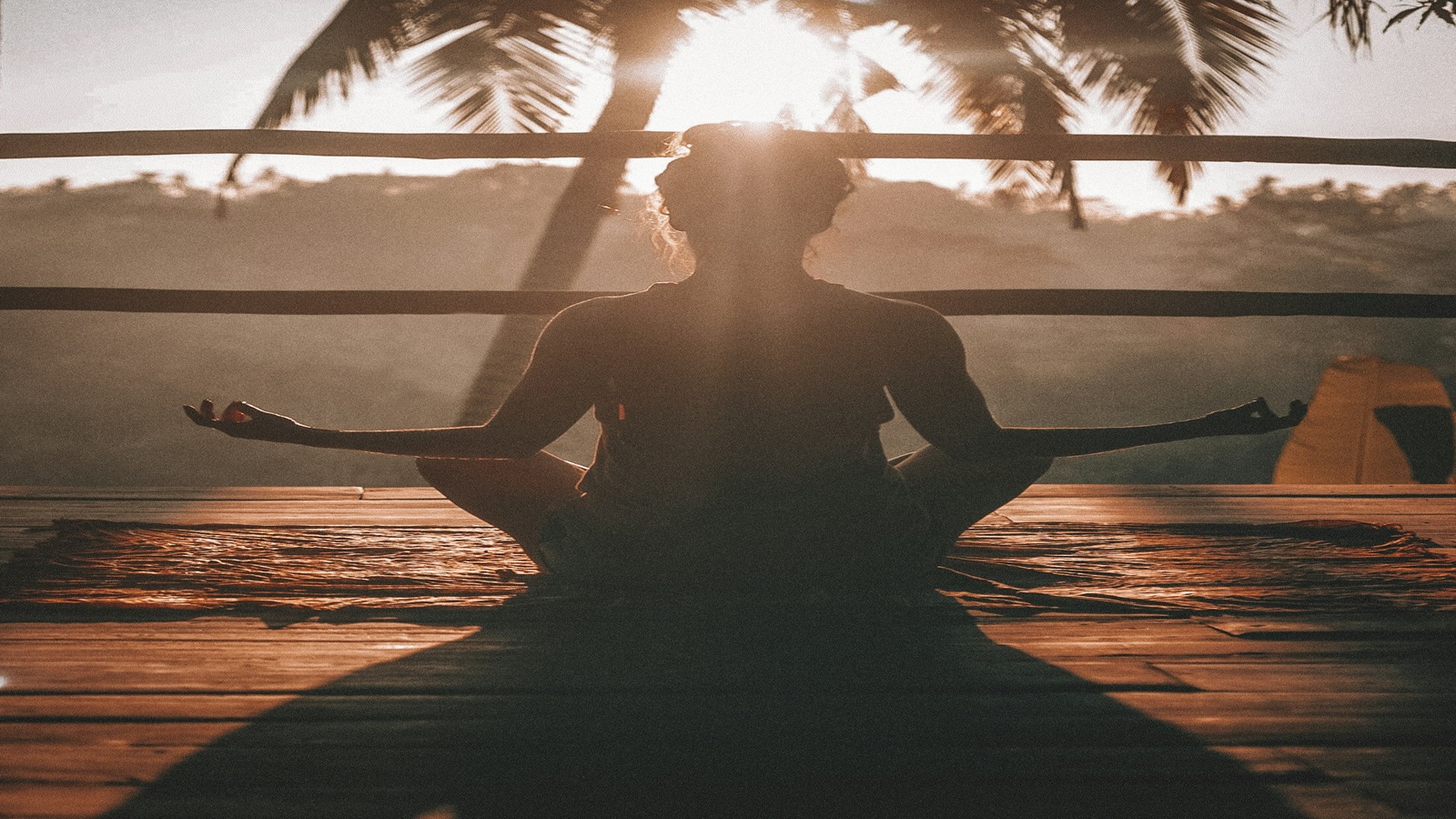
Something shifted. It’s hard to pinpoint exactly when — maybe it was the third Sunday you spent dreading Monday, or the moment you realized “I’m fine” had become your most-used phrase. The world got loud, fast, and relentless. And somewhere along the way, an entire generation decided it was okay to say: I’m not okay.
That’s not a small thing. For decades, mental health lived in the shadows — whispered about, stigmatized, pushed aside in favor of productivity and appearances. And now? It’s on billboards, in boardrooms, in your group chat. The wellness culture movement has exploded, and whether you’re a devoted meditator or a skeptic who’s only ever downloaded a mindfulness app and immediately forgotten about it, it’s shaping all of us.
So what’s actually going on — and what does it mean for how we live?
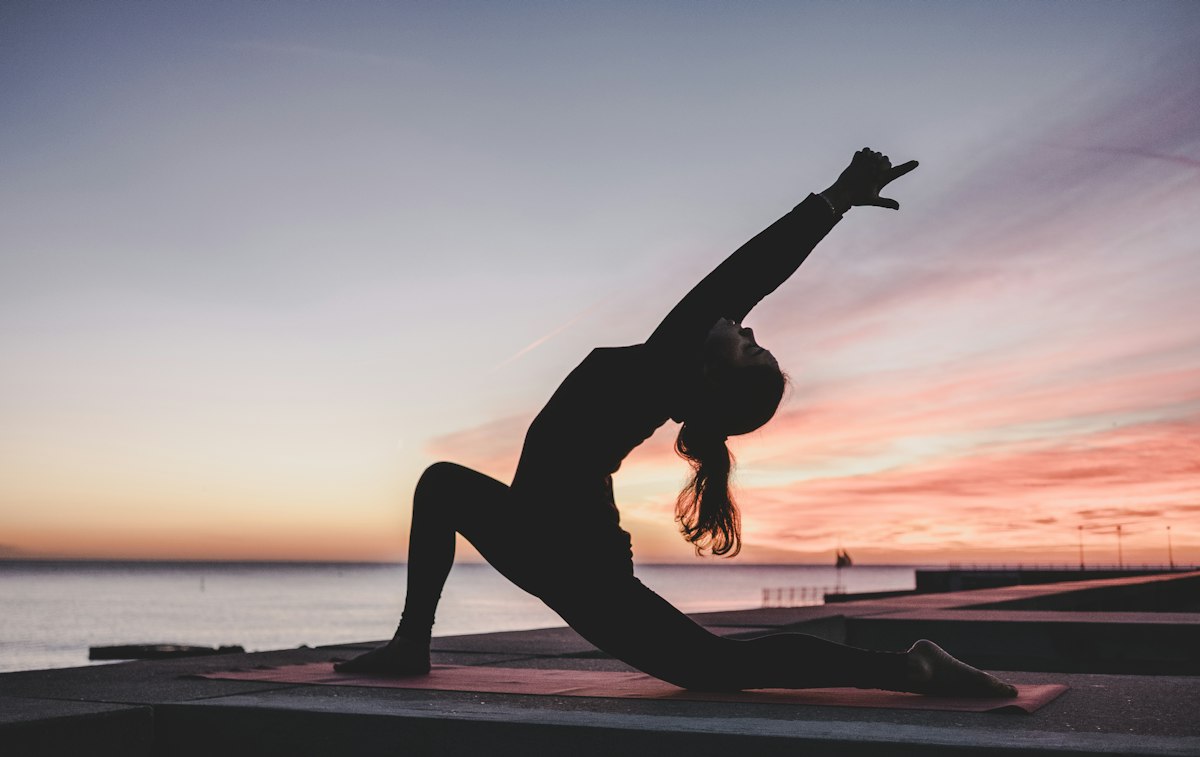
The wellness movement isn’t a trend — it’s a response to something real.
What the Wellness Boom Actually Looks Like
The global wellness industry is worth trillions. But beyond the numbers, the real shift is cultural — in what people actually value and how they spend their time and energy.
The rise of “soft living”
Hustle culture had its moment. The 4am wake-ups, the 80-hour weeks, the glorification of busy. But a backlash has been brewing, and by 2026 it’s fully mainstream: people are actively choosing slower, softer, more intentional lives. Not laziness — discernment. Saying no to things that drain you. Saying yes to things that restore you.
Therapy went mainstream
The stigma around therapy hasn’t vanished completely, but it’s eroded dramatically. Talking about your therapist is now as normal as talking about your gym. Teletherapy platforms made access easier and more affordable. Celebrities and public figures opening up about their struggles didn’t hurt either. What was once a private shame is now, for many, just part of taking care of yourself.

Seeking help is no longer a sign of weakness — it’s a sign of self-awareness.
Sleep became a status symbol
Remember when bragging about how little sleep you got was a thing? That energy is gone. In its place: people obsessing over sleep scores, tracking REM cycles, and treating a consistent 8 hours like a competitive sport. Sleep hygiene has become a genuine cultural value — which, given the science, is probably overdue.
The Part That’s More Complicated
Here’s where we have to be honest: not everything about the wellness boom is straightforwardly good.
Wellness has a class problem
A $40 yoga class, a monthly therapy copay, organic food, a gym membership, meditation retreats — real mental wellness, as it’s often sold, is expensive. The people who arguably need rest and recovery the most — those working multiple jobs, dealing with systemic stress, lacking safety nets — are least able to access the wellness economy. That’s a contradiction worth sitting with.
Self-care can become self-absorption
There’s a version of wellness culture that’s deeply communal and compassionate. And there’s a version that’s essentially elaborate self-focus dressed up in therapeutic language. Setting boundaries is healthy. Using “my peace” as a reason to never be inconvenienced by anyone is something else. The language of mental health can be genuinely healing, or it can be weaponized to avoid accountability. Context matters.
The content is everywhere — but depth is rare
TikTok therapists, Instagram affirmations, 60-second breathing exercises — wellness content has exploded online. Some of it is genuinely helpful. A lot of it is oversimplified to the point of being meaningless. “You are enough” is a lovely sentiment. It’s not a treatment plan. Real mental health support is deeper, messier, and slower than a carousel post suggests.
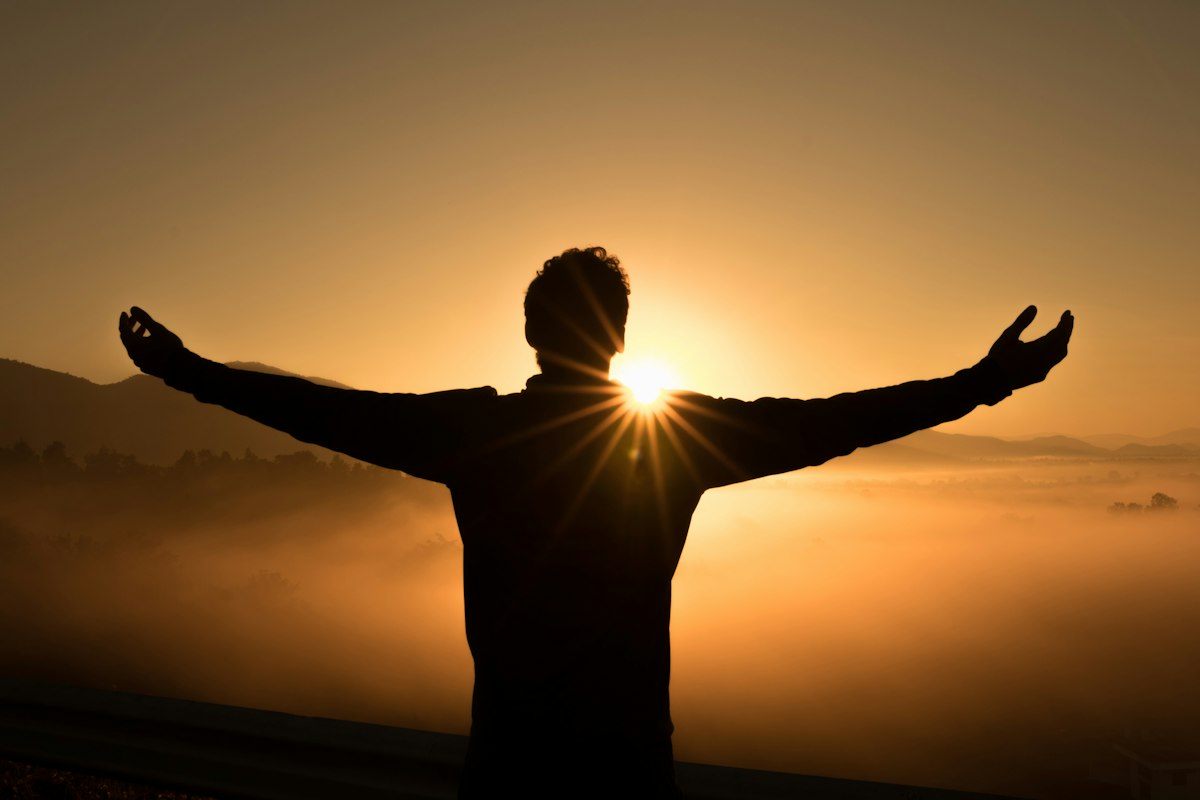
Burnout is real — and no amount of bubble baths fixes a broken system.
· · ·
What Actually Helps (According to the Science)
Cutting through the noise, here’s what research consistently points to when it comes to genuine mental wellbeing:
- ✓Sleep — Non-negotiable. Seven to nine hours. Everything else suffers when this suffers.
- ✓Movement — Not necessarily intense exercise. Regular walking alone has significant mental health benefits.
- ✓Social connection — Real, meaningful connection. The loneliness epidemic is real, and it’s a health crisis.
- ✓Purpose & meaning — Feeling like what you do matters. This is different from productivity.
- ✓Professional support — Therapy, when accessible, works. There’s decades of evidence behind this.
Notice what’s not on that list: $200 supplements, morning routines that require a 5am alarm, or any app with a premium subscription.
The Bigger Picture
The wellness movement, for all its contradictions and commercialization, points to something true and important: people are exhausted, and they’re asking for something different.
Not just bubble baths and breathing exercises — but workplaces that respect human limits. Systems that don’t treat burnout as a personal failure. A culture that measures success in something other than output.
That’s a bigger ask than any app can answer. But the fact that we’re asking it — loudly, collectively, in the open — feels like the beginning of something.
“You can’t pour from an empty cup. Turns out, an entire generation decided to finally take that seriously.”
Where are you at with all of this? Finding the wellness world helpful, overwhelming, or somewhere in between? The conversation is worth having — however messy it gets.