

Wellness is a trillion-dollar industry. Meditation apps, therapy platforms, sleep trackers, breathwork retreats, journaling prompts, cold plunges, cortisol cocktails. We are, by every commercial measure, the most wellness-obsessed generation in history. So why does everyone still feel so exhausted?
That’s not a cynical question — it’s a genuine one. And the answer is complicated, fascinating, and maybe a little uncomfortable. Because the wellness movement has done something remarkable: it’s made talking about mental health normal. But somewhere along the way, it also turned inner peace into a product.
Let’s dig in.
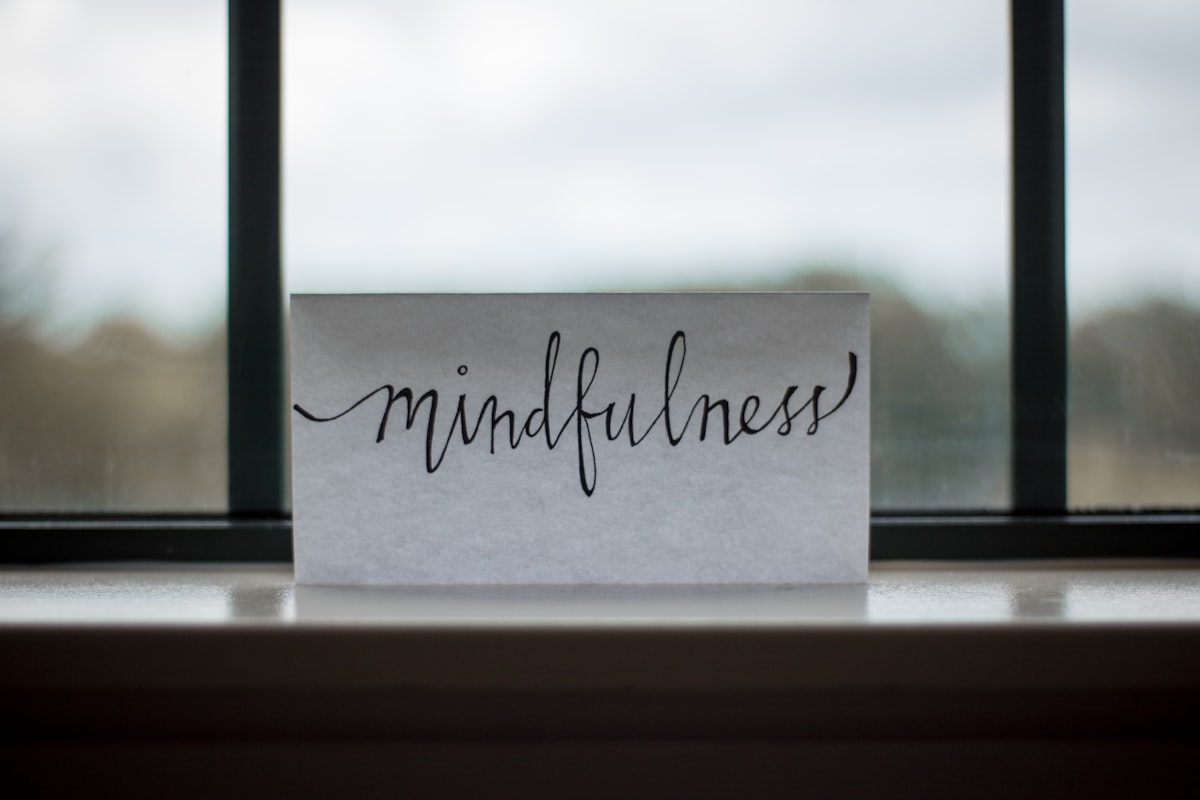
The pursuit of stillness — increasingly crowded, but no less necessary.
How We Got Here
The modern wellness boom didn’t come from nowhere. It arrived on the back of a collective burnout — post-financial crisis, post-pandemic, post-hustle culture — when people started asking a very reasonable question: Is this really all there is?
And the market answered. Loudly. Enthusiastically. With subscription tiers.
What started as a fringe conversation — therapy is good, rest is okay, feelings are real — became mainstream with startling speed. Celebrities talked about their anxiety. Athletes spoke about mental health breaks. Workplaces started offering “wellness days.” The word “boundaries” entered everyday vocabulary. Burnout got officially classified as a workplace syndrome by the WHO.
This is genuinely progress. A decade ago, “I’m seeing a therapist” was something people whispered. Now it’s brunch conversation. That cultural shift matters enormously — it saves lives.
The Good Stuff First
Let’s be fair — a lot of what’s happened is genuinely wonderful.
- 🧠Mental health lost its stigma (mostly)Therapy, medication, and emotional openness are no longer signs of weakness. This alone has changed — and saved — countless lives.
- 📱Access expanded dramaticallyApps, teletherapy, and online communities brought support to people who previously had none — rural areas, limited budgets, social anxiety that made in-person help impossible.
- 🌿The body-mind connection got mainstreamSleep, movement, nutrition, and stress are now understood as deeply interconnected. Taking care of your body is taking care of your mind — and vice versa.
- 🗣️Emotional vocabulary expandedPeople can now name things like emotional dysregulation, nervous system activation, or attachment styles — and that language gives them tools to understand themselves better.

The humble journal — still one of the most effective wellness tools we have.
Now the Complicated Part
Here’s where it gets thorny. Wellness culture, for all its genuine benefits, has developed a shadow side — and it’s worth looking at honestly.
When self-care becomes self-absorption
There’s a version of wellness that’s genuinely restorative — rest, reflection, reconnection with what matters. And then there’s a version that’s just… expensive navel-gazing. When every difficult emotion becomes a “trigger” to be avoided, and every challenging relationship becomes “toxic,” something gets lost. Resilience, for one. And the understanding that discomfort is sometimes how we grow.
The commodification problem
The wellness industry is, at its core, an industry. It profits when you feel like you’re not quite well enough yet. There’s always another supplement, another program, another retreat that promises the breakthrough you haven’t had. True wellbeing is deeply unsexy and largely free — sleep, movement, connection, purpose. But that doesn’t sell many units.
Wellness privilege is real
Cold plunge tubs, $40 adaptogen lattes, week-long digital detox retreats — wellness, at its premium tier, is extraordinarily expensive. The people who need support most are often the ones who can afford it least. A movement that began with democratizing mental health conversation has, in many ways, become another luxury market.
“True wellbeing is deeply unsexy and largely free. But that doesn’t sell many units.”

Sometimes the most effective wellness practice costs nothing at all.
What Actually Works
So what does the evidence say? Stripped of marketing and trends, the research on wellbeing is surprisingly consistent — and refreshingly simple.
Sleep is the foundation of everything. Not optimized, tracked, hacked sleep — just enough of it, regularly. Almost every mental and physical health outcome improves with adequate sleep and deteriorates without it.
Movement that you enjoy and can sustain long-term beats any optimized gym protocol you’ll quit in six weeks. Walking, dancing, swimming, cycling — consistency over intensity, always.
Real connection with other humans — not parasocial relationships with influencers, not group chats, but genuine face-to-face presence — is one of the strongest predictors of mental health and longevity we have.
Meaning and purpose. People with a sense of purpose — even a modest, quiet one — demonstrate significantly better mental health outcomes. You don’t need a grand mission. You need something that matters to you.
And yes, therapy, when you need it and can access it. Not as a lifestyle accessory, but as genuine support for genuine struggle.
The Question Worth Asking
Here’s what all of this comes down to: are we using wellness culture to actually address the conditions making us unwell — or are we using it to cope with them more elegantly?
Burnout isn’t a personal failing that a meditation app can fix. Loneliness isn’t solved by a gratitude journal. Anxiety rooted in genuine insecurity — financial, social, existential — isn’t a breathwork problem.
Some of what ails us is structural. And no amount of self-optimization changes that.
But here’s what’s also true: individual wellbeing and systemic change aren’t mutually exclusive. You can work on yourself and work on the world. You can take your mental health seriously without turning it into an identity or a consumer habit. You can use the tools that genuinely help — and skeptically ignore the ones that are just selling you something.
The wellness era, at its best, gave us permission to take ourselves seriously. That’s a gift worth keeping — even as we stay clear-eyed about how it’s been packaged and sold.
What’s your relationship with wellness culture like? Have you found something that genuinely works — or does the whole thing feel a bit overwhelming? The conversation matters more than the products.