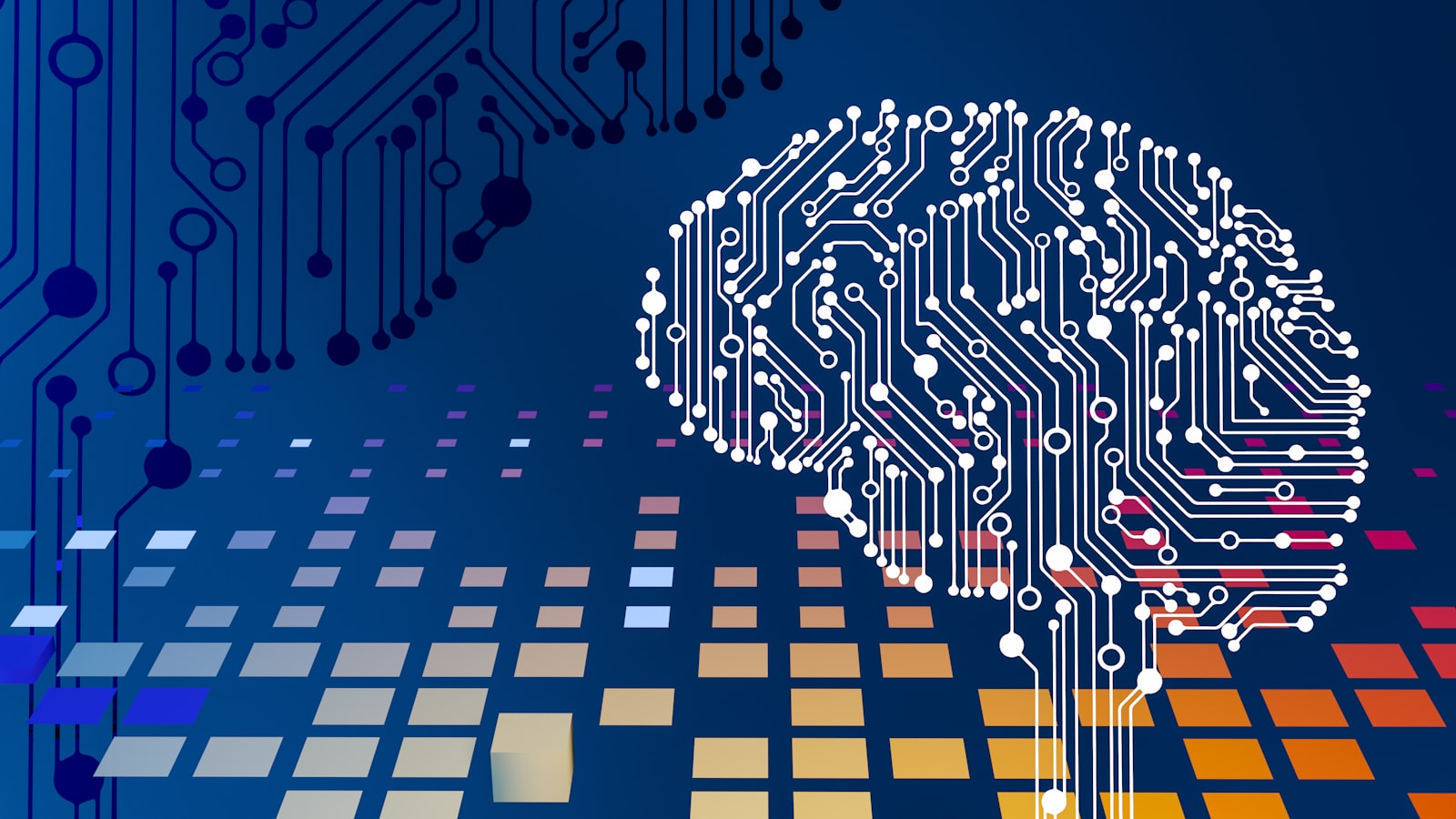
There was a time — not even that long ago — when “artificial intelligence” sounded like something from a movie where robots take over the world and a lone hero saves humanity with a USB stick. We imagined AI as this distant, dramatic, slightly terrifying thing. And then, somewhere between asking your phone for directions and letting an algorithm pick your next Netflix obsession, AI just… moved in.
Quietly. Without much fanfare. Like a roommate who showed up one day and started doing all the dishes.
Here’s the thing nobody tells you: the AI revolution didn’t arrive with fireworks. It arrived in your morning routine.
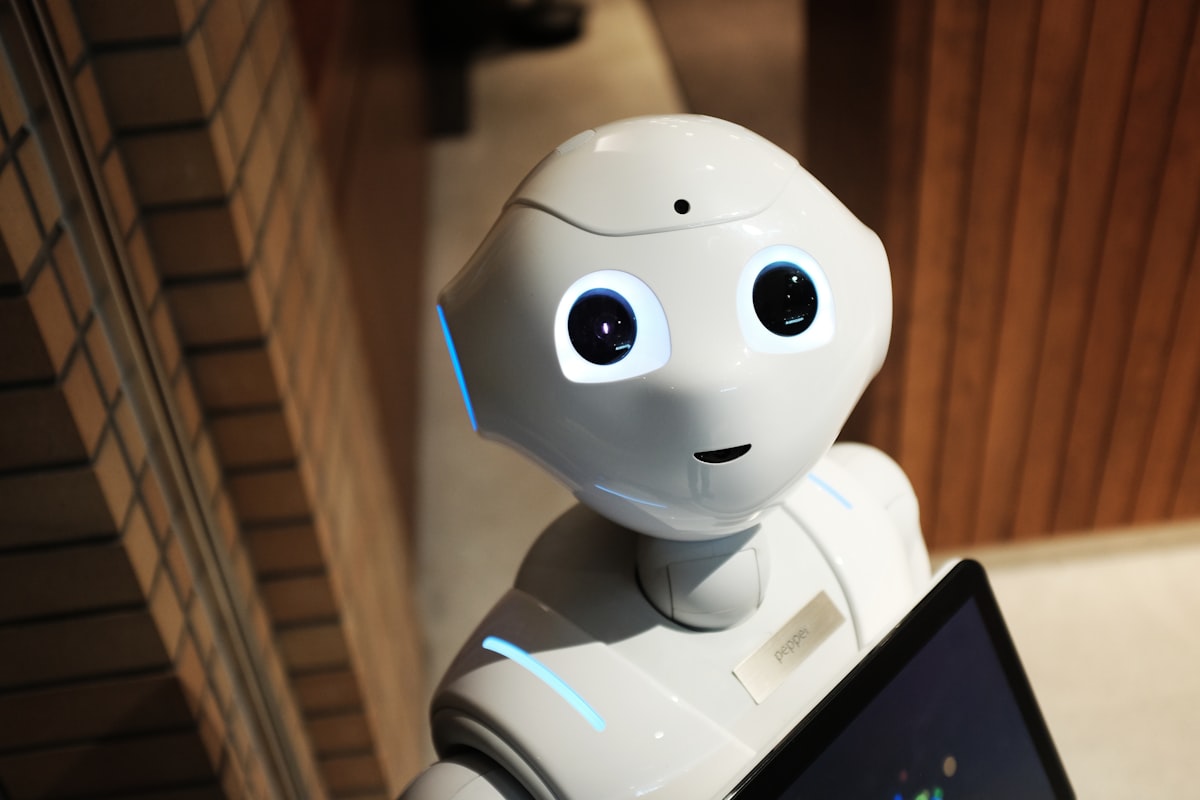
AI is no longer science fiction — it’s Tuesday morning.
Your Day, But Make It Algorithmic
Let’s walk through a completely ordinary Tuesday. You wake up and your phone has already dimmed your alarm because it noticed your sleep was lighter in the last 20 minutes — classic light sleep exit window stuff. You check your email and half the replies are already drafted for you, waiting for your approval like eager interns.
You ask a voice assistant about the weather, whether to bring an umbrella, and — while you’re at it — to remind you about that dentist appointment you’ve been “forgetting” for three months.
By 8am, you’ve interacted with AI at least a dozen times. And you haven’t even had coffee yet.
“AI isn’t a product anymore. It’s infrastructure — invisible until it stops working, and completely woven into how we live.”
Your home is listening — and increasingly, helping.
What’s Actually Driving All of This?
A few things converged at once, and the result is the world we’re living in now.
- The models got genuinely good.Not “impressive for a computer” good. Actually useful, nuanced, sometimes-startlingly-accurate good. The gap between “AI doing a task” and “a human doing a task” got narrow enough that people started genuinely choosing the AI.
- It got cheap and fast.The processing power required to run sophisticated AI dropped dramatically. What used to need a server farm can now run on your laptop, your phone, your watch. When something is free or close to it, adoption explodes.
- It got embedded.AI stopped being an app you open and became a layer inside every app you already use. Your spreadsheet suggests formulas. Your doc auto-formats. Your calendar negotiates meeting times on your behalf. The technology disappeared into the furniture of digital life.
The Stuff Nobody’s Talking About Enough
Here’s where it gets interesting — and a little complicated.
AI is changing what “skill” means
For decades, we’ve defined competence by what you can do. Can you code? Can you write? Can you design? AI is quietly reshuffling the deck. The new skill isn’t just doing the thing — it’s knowing what to ask for, how to evaluate the output, when to trust it and when to push back. It’s less about execution and more about judgment. Which is a more deeply human skill than typing fast ever was.
We’re outsourcing our thinking — sometimes too much
There’s a flip side. When AI can write your email, plan your trip, summarize the article, and explain the concept — it’s easy to stop doing those things yourself. Thinking, reasoning, forming your own opinions? Those are muscles. And muscles you don’t use tend to atrophy. The question isn’t whether to use AI — it’s whether you’re still the one driving, or whether you’ve quietly climbed into the back seat.
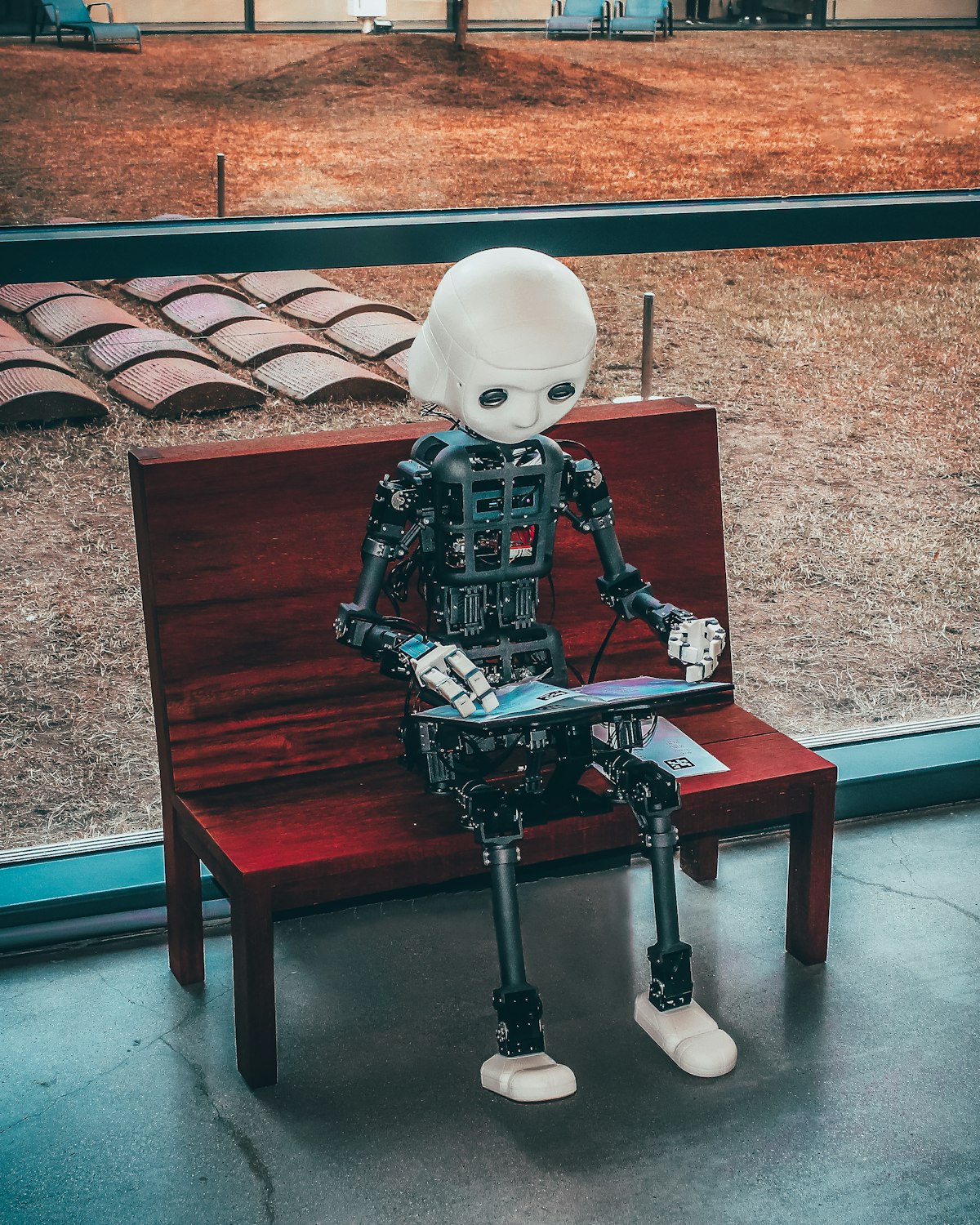
The most powerful combination? Human judgment + AI capability.
The creativity question is still open
Can AI be creative? The debate is ongoing, but here’s a more interesting framing: AI has made access to creative output radically democratic. You don’t need to know how to draw to visualize an idea. You don’t need to be a composer to hear the melody in your head. The barrier between imagination and output has collapsed. Whether that’s creativity or a very sophisticated remix machine — maybe it doesn’t matter. The results are real.
The Part That Actually Matters
Amidst all the technical marvel and philosophical hand-wringing, there’s a very human story unfolding.
People are using AI to learn languages they always wanted to speak. To understand medical diagnoses that would have been impenetrable jargon five years ago. To write the first chapter of the novel they’ve been “meaning to start” for a decade. To get a second opinion on a legal letter when they can’t afford a lawyer. To feel a little less alone at 2am when everything feels like too much.
“That’s not dystopia. That’s not robots taking over. That’s a tool meeting people where they are — and helping them do more with what they’ve got.”
So Where Does This Go?
Nobody really knows. And anyone who tells you they do is either lying or selling something.
What we can say is this: the relationship between humans and AI is still being negotiated. We’re figuring it out in real time — through policy and culture and art and a million individual choices people make every day about what to delegate and what to hold onto.
The most interesting thing isn’t the technology itself. It’s the question it keeps asking us: What do you actually want to spend your time and energy on?
AI is forcing a kind of reckoning with that. And maybe — just maybe — that’s not the worst thing.
What’s your relationship with AI like these days? Are you all in, deeply skeptical, or somewhere complicated in the middle? Either way, the conversation is just getting started.